Insights
Occupational Medicine, explained clearly.
Concise articles on examinations, workplace risks, surveillance, fitness for work and prevention. Content is based on recognized occupational medicine and occupational safety sources.

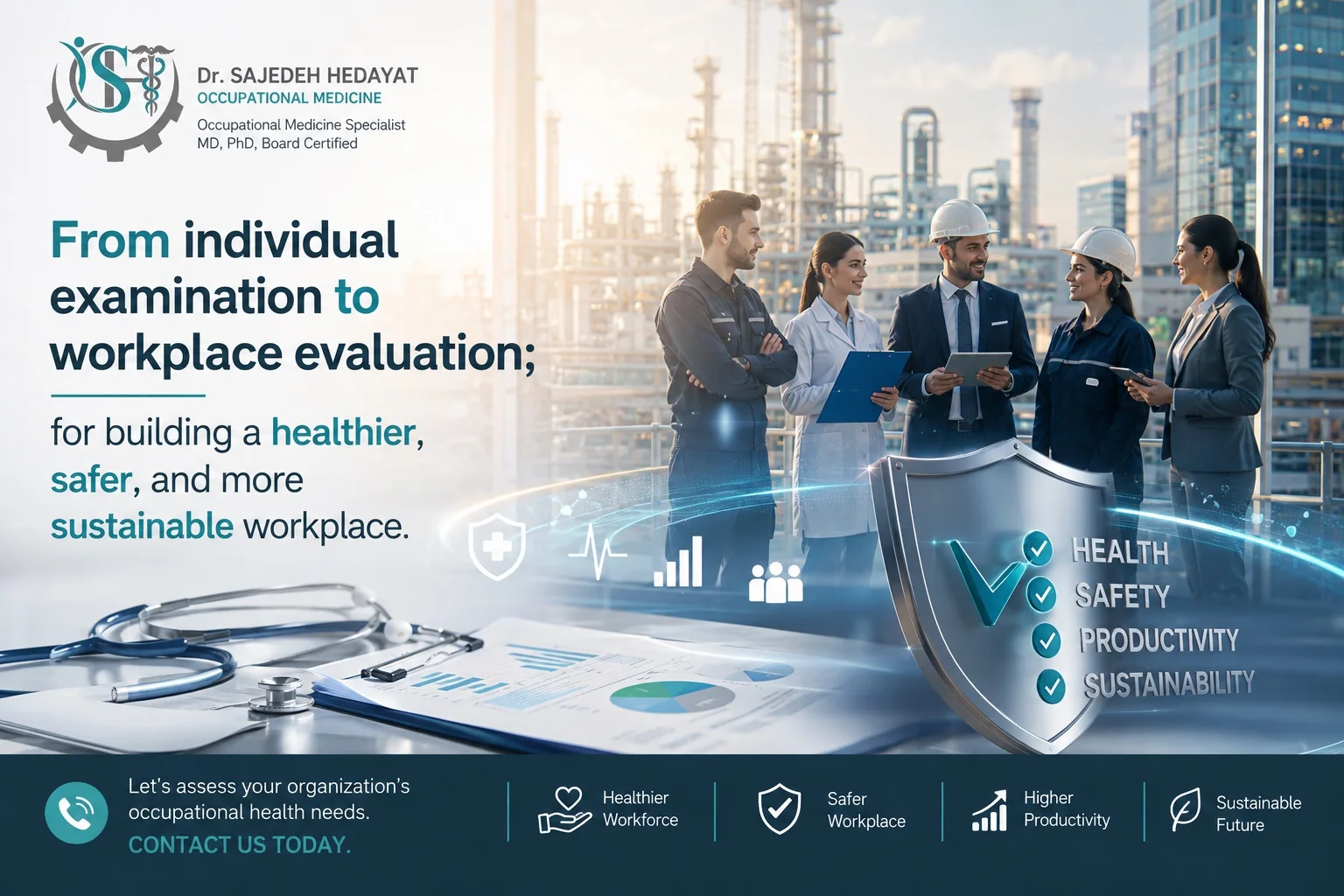
What Is Occupational Medicine?
Occupational Medicine focuses on the relationship between work and health, using the real job and workplace context to guide assessment and prevention.
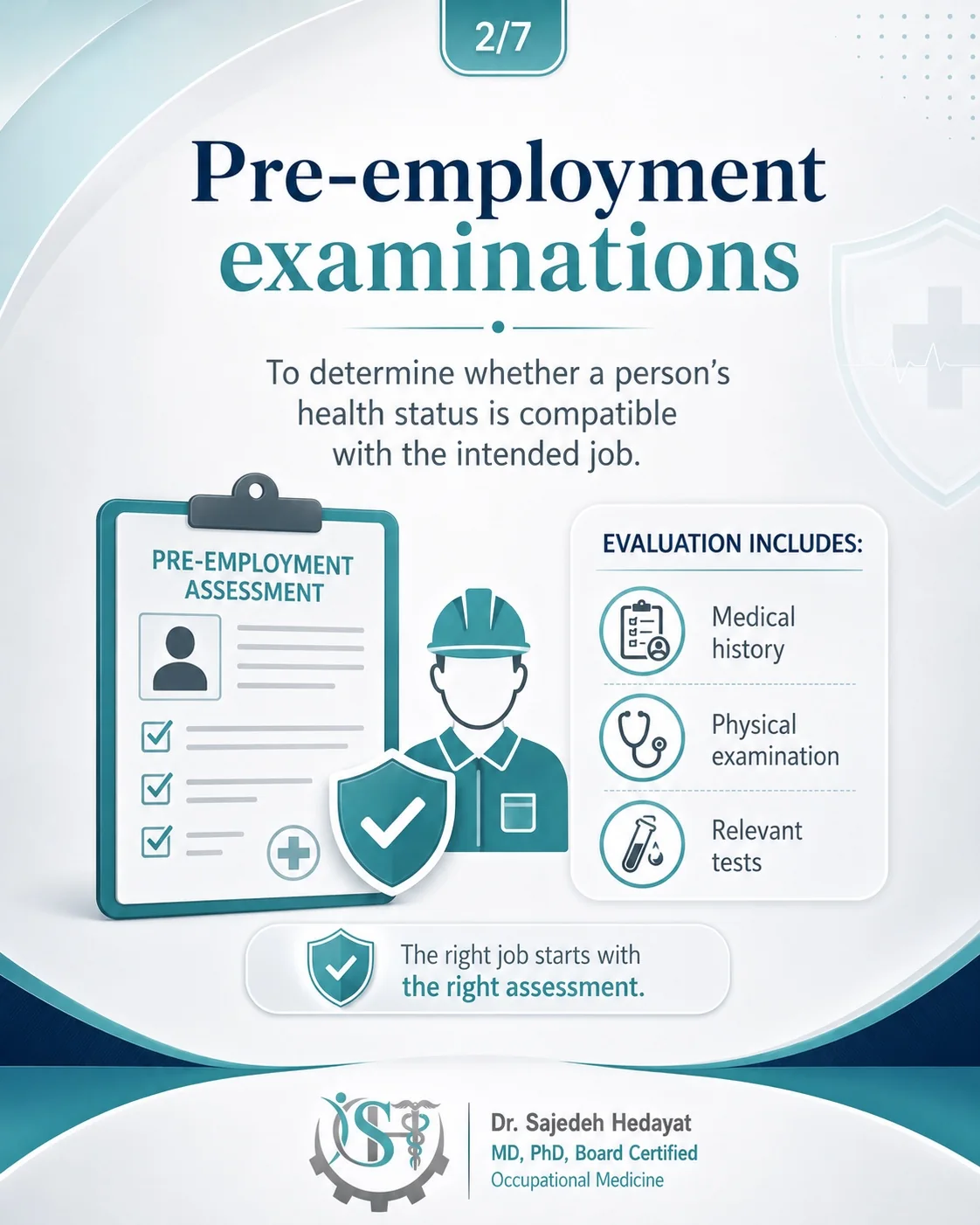
Pre-Employment Medical Examination: Why the Real Job Matters
Pre-employment assessment should reflect the intended job, its demands and relevant exposures rather than apply the same examination to every worker.
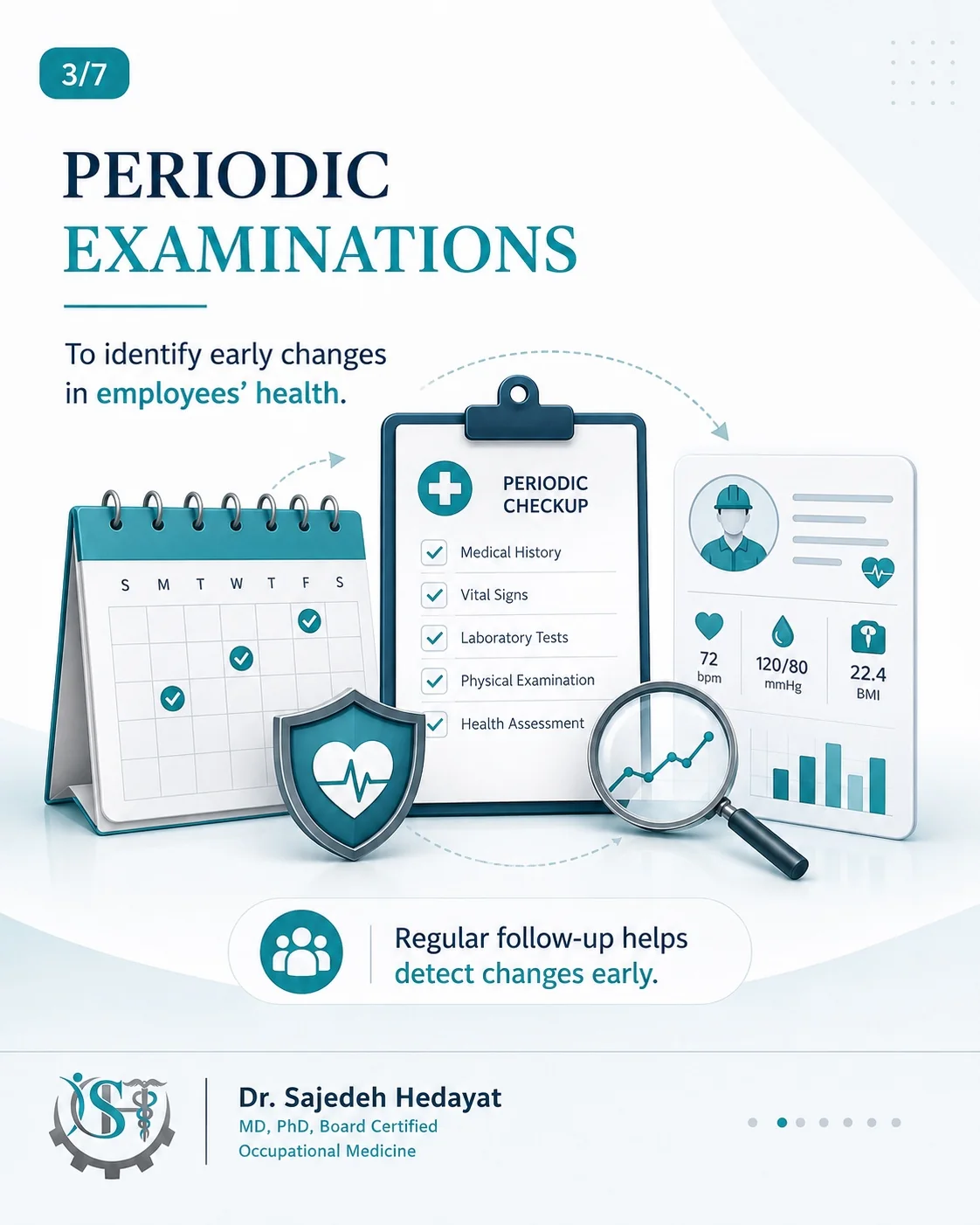
Periodic Examinations and Medical Surveillance
Periodic surveillance is most useful when it tracks relevant changes over time and links findings to workplace prevention.
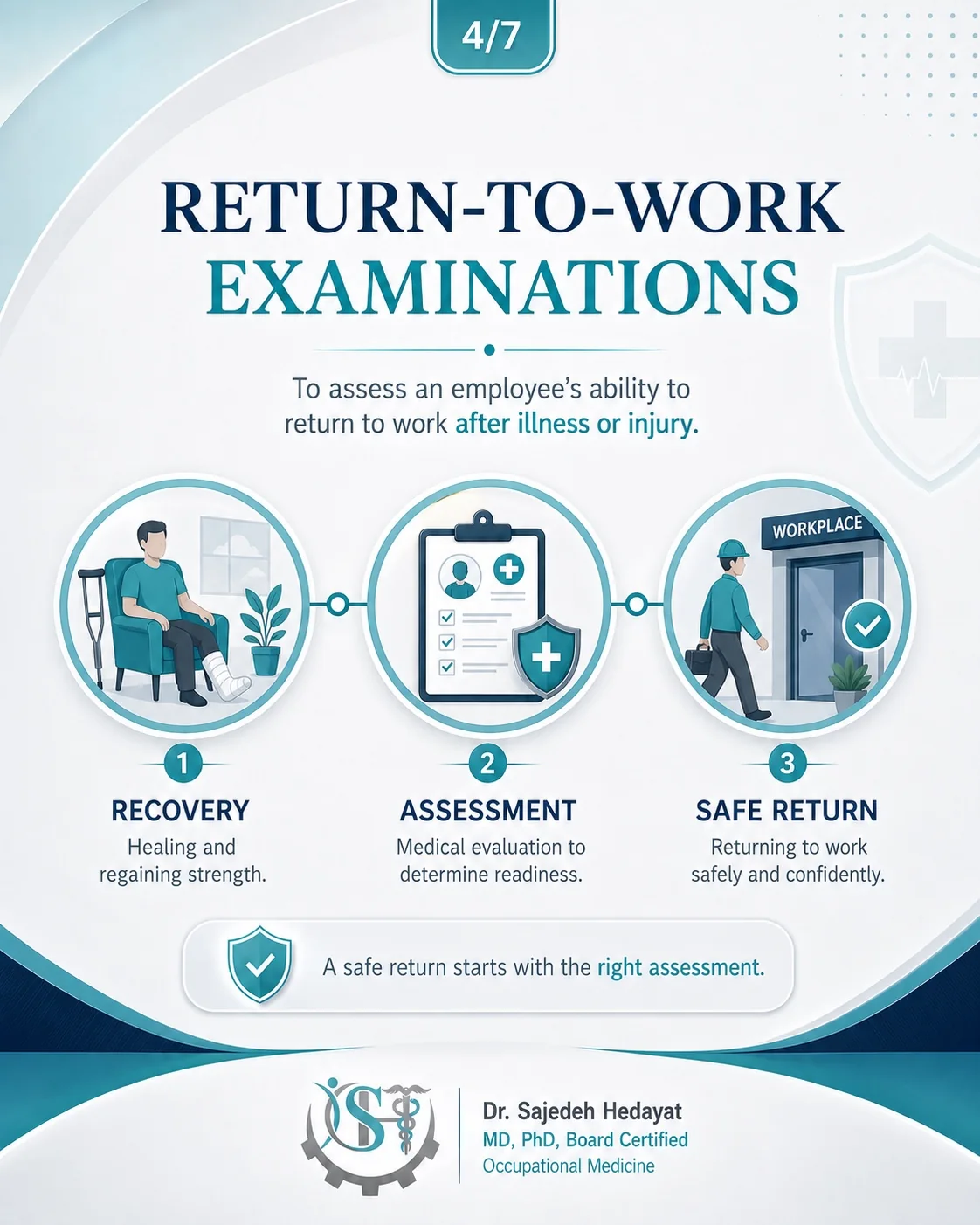
Return-to-Work Assessment After Illness or Injury
Return-to-work decisions should consider current functional capacity together with the real physical, cognitive and safety requirements of the job.
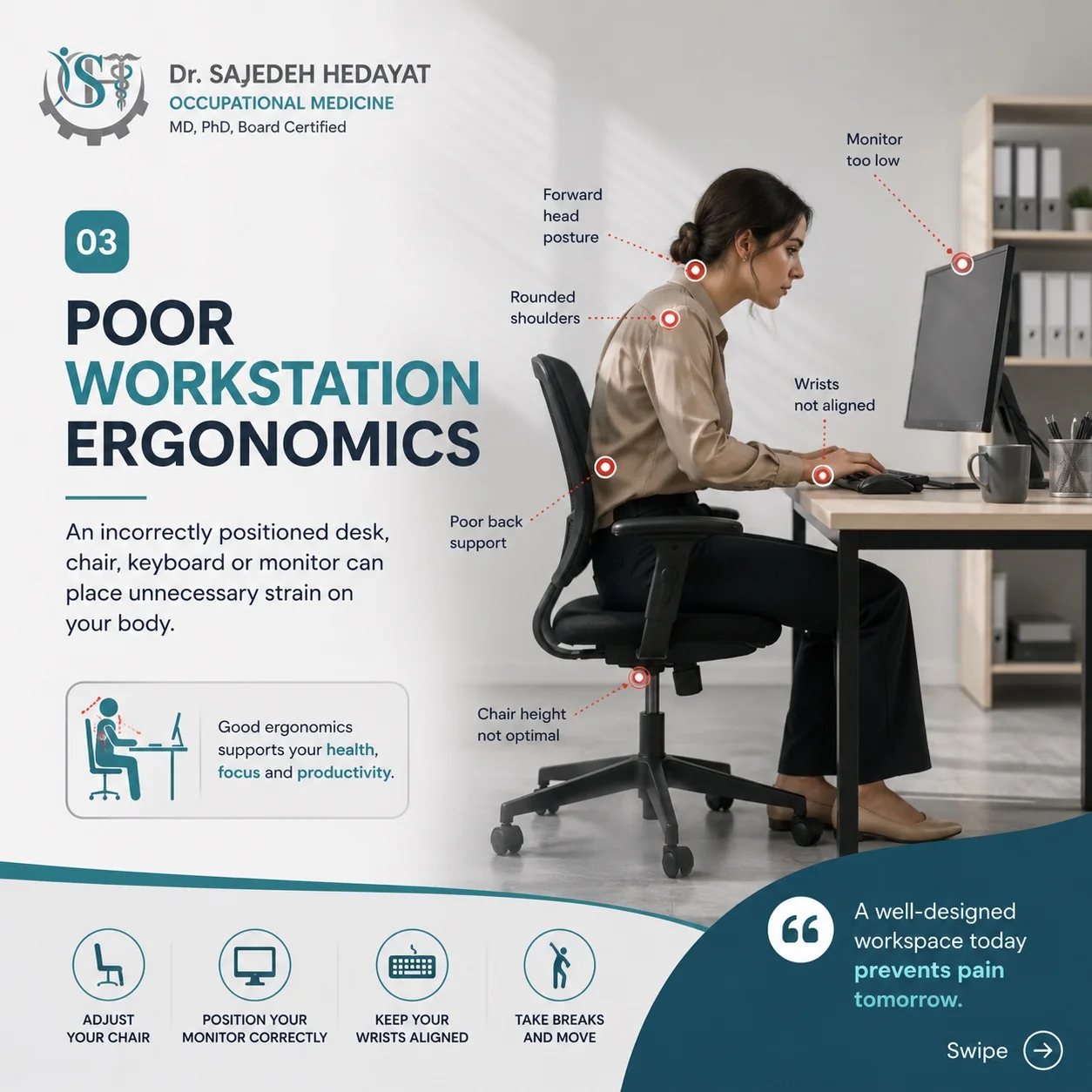
Office Work Is Not Risk-Free: Ergonomics and Musculoskeletal Health
Office work can involve prolonged sitting, awkward posture, poorly designed workstations and psychosocial demands that affect health and performance.
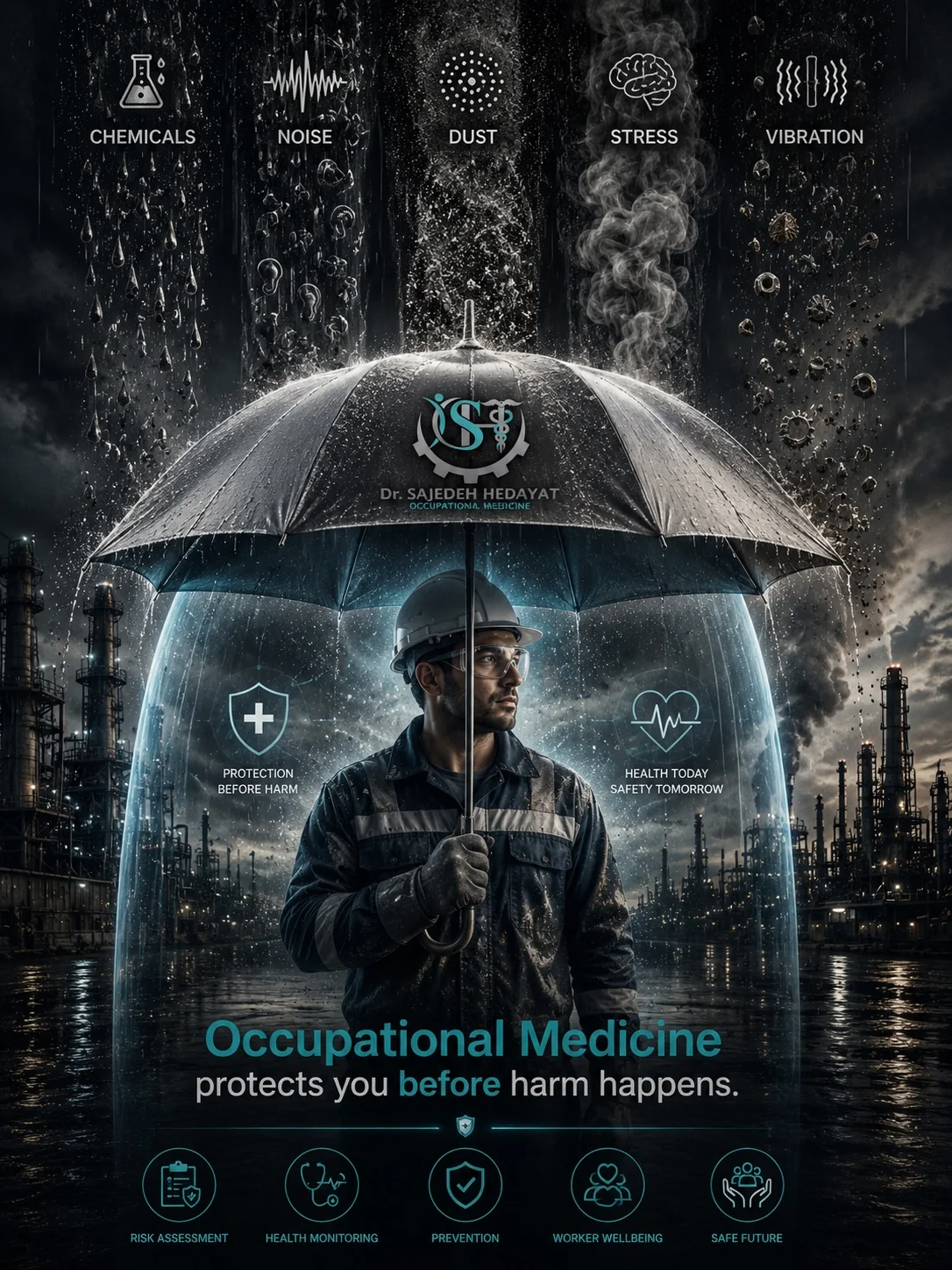
Workplace Noise and Hearing Surveillance
Hearing surveillance is most effective when audiometry is linked with exposure assessment, prevention and review of trends over time.

Respiratory Hazards and the Role of Spirometry
Spirometry can support occupational respiratory surveillance when it is technically valid and interpreted together with symptoms, exposure and previous results.
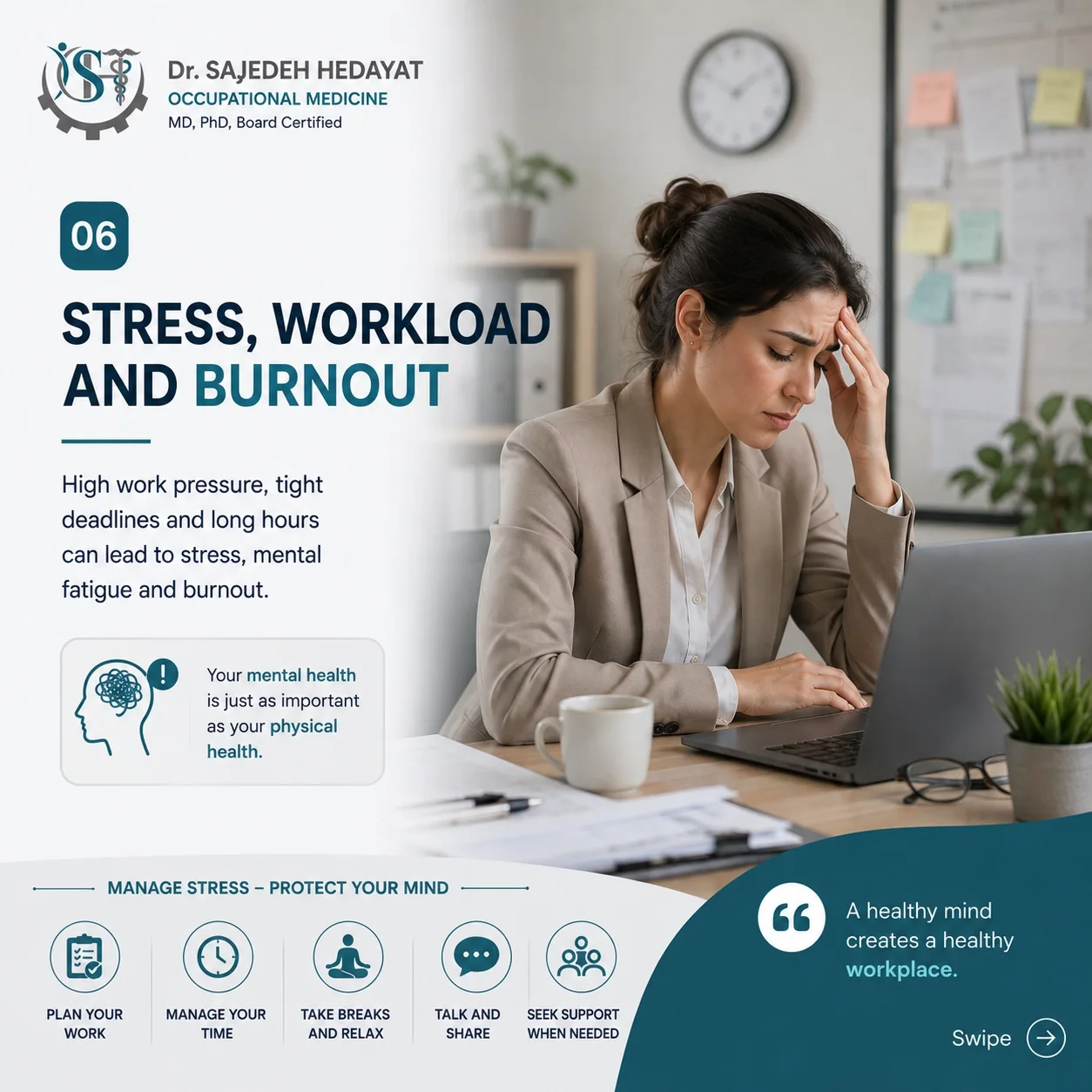
Fatigue at Work: Why It Is an Organizational Risk
Work-related fatigue can affect reaction time, attention, memory and judgment, so assessment should include work schedules and organizational factors.